For decades, "training" sat at the edge of institutional strategy — a compliance requirement, an annual budget line, something HR managed and leadership rarely thought about. That era is over. Capability building has moved to the centre of how competitive institutions plan.
Why the Shift Happened
Three forces converged: the pace of technological change outstripped how fast institutions could hire new skills externally; AI began automating the routine work that used to justify large teams doing repetitive tasks, shifting value toward judgement and adaptability; and talent markets tightened enough that "buy" (hiring) became more expensive and less reliable than "build" (developing existing people).
What Capability Building Actually Requires
A Skills Framework, Not Just a Course Catalogue
Random training courses don't build capability — a structured pathway does. That's why we built our own skilling architecture around clear levels, from foundational AI awareness through advanced quantum-AI specialisation, so institutions can see exactly where their people are and where they need to go next.
Faculty and Trainer Development, Not Just End-User Training
The institutions that sustain capability internally are the ones that also invest in developing their own faculty and internal trainers — so the skill doesn't leave when an external consultant's engagement ends.
Applied Practice, Not Just Certification
A certificate proves attendance. A capstone project, a live case study, a hands-on lab proves capability. The gap between "trained" and "capable" is almost always closed through applied practice, not additional lecture time.
Capability Building at Every Career Stage
This isn't only about upskilling existing professionals. It spans probationer induction for new police officers, academic excellence programmes for students navigating setbacks, career-transition support for professionals mid-career, and command-level leadership development for institutional heads. One philosophy, applied across every stage of a career.
Capability, Built to Last
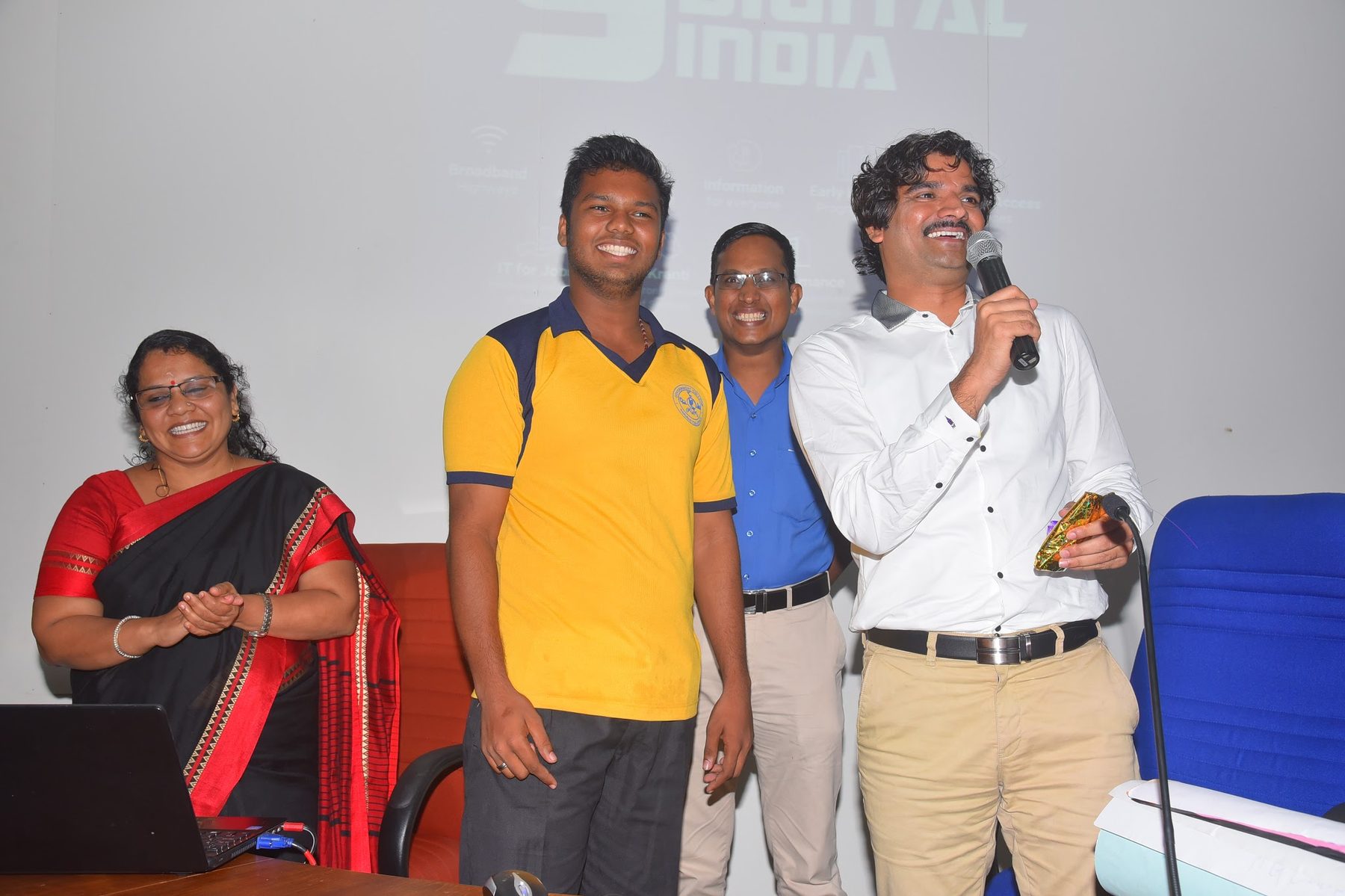
Real capability building shows up in classrooms and cohorts, not slide decks.
"A structured skilling pathway — from AI awareness to advanced quantum-AI specialisation." — Quantum World Ventures skilling ecosystem
The CSR Dimension
Capability building shouldn't be limited to those who can pay for it. Our CSR wing, delivered with Namaskar with Love Foundation, extends no-cost skilling sessions to rural schools and under-resourced institutions — because the institutions and communities that most need capability building are often the ones least able to afford it commercially.
A Question Worth Asking
If your institution had to compete on the strength of your people's skills alone — no new hires, no new budget — would you win? For most institutions, the honest answer reveals exactly where capability building needs to start.