Every transformation programme — digital, organisational, cultural — ultimately succeeds or fails on one question: did the people inside the organisation actually change how they work? Strategy documents don't move the needle. Adoption does.
Why Good Strategy Still Fails
Most transformation efforts are designed brilliantly and implemented poorly. A McKinsey-style framework, a new ERP system, a reorganised reporting structure — all of it sits on paper until real people, in real teams, change their daily habits. Change management is the discipline that closes that gap. It treats people, not just processes, as the unit of change.
The Three Layers Every Change Effort Must Address
- Individual readiness — does each employee understand why the change is happening, and what's in it for them?
- Team dynamics — do teams have the psychological safety and shared language to work differently together?
- Institutional systems — are incentives, KPIs and leadership behaviour actually aligned with the new way of working, or still quietly rewarding the old one?
Skip any one of these layers and the change reverts within months — what practitioners call "change fatigue" or, more bluntly, a failed transformation.
A Practical Framework: Diagnose, Design, Deliver
At Change Management Enterprise, we anchor every engagement — whether it's a school rolling out AI-enabled learning or a government department modernising citizen services — around three phases:
1. Diagnose
Understand the current state honestly. Where does resistance actually come from? Is it fear of job loss, lack of skill, unclear communication, or simply too many competing priorities? Skipping diagnosis is the single most common reason change programmes stall.
2. Design
Build the change plan around real constraints — organisational culture, available budget, leadership bandwidth — rather than a generic template. This is where stakeholder mapping, communication cadence and training design come together.
3. Deliver
Change management doesn't end at go-live. Sustained adoption requires reinforcement — coaching, recognition, and course-correction based on what's actually happening on the ground, not what the plan assumed would happen.
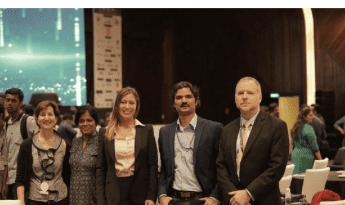
Change, Practiced Together
Change management is a team discipline, not a memo from the top.
"Change is not a one-time project — it is mindset, mentality, academics, careers, organisations, teams and nations, all evolving at once." — Change Management Enterprise philosophy
Where This Shows Up in Practice
We see this pattern everywhere we work: a state government rolling out a new e-Governance platform where the software works fine, but frontline staff were never trained on the "why"; a university introducing AI tools where faculty resistance has nothing to do with the technology and everything to do with feeling unconsulted; an enterprise restructuring its reporting lines and losing its best people in the process because nobody managed the emotional transition.
In every case, the fix isn't more technology or a better org chart — it's disciplined change management, applied early and sustained long after the "launch."
Building the Capability In-House
The organisations that transform fastest don't outsource change management indefinitely — they build the muscle internally. That means training change champions inside each department, embedding change metrics into project reviews, and giving leaders a shared vocabulary for what "good change" looks like.
That is precisely why capability building — not just consulting engagements — sits at the centre of how we work with institutions, from Academies to Ministries to universities.