Leaders trained for a stable world are now expected to lead through constant disruption — AI adoption, restructuring, generational shifts in the workforce, and public scrutiny that didn't exist a decade ago. The skills that built their careers aren't the skills the moment demands.
From Certainty to Navigability
Traditional leadership development prized decisiveness and confident answers. But in genuinely uncertain environments, leaders who project false certainty lose credibility fast — teams can tell when a leader is guessing. The more valuable skill now is navigability: the ability to say "here's what we know, here's what we don't, and here's how we'll find out," while still moving the team forward with confidence.
Four Capabilities That Define Change-Ready Leaders
1. Communicating Vision Under Uncertainty
Teams don't need leaders to have all the answers. They need leaders who can articulate a clear direction even while details are still being worked out — and who revisit that vision honestly as circumstances shift.
2. Managing Resistance Without Suppressing It
Resistance to change is data, not defiance. Leaders who listen to resistance — really listen, not just perform listening — often uncover legitimate risks their plan hadn't accounted for.
3. Building Coalitions, Not Just Giving Orders
Command-and-control leadership doesn't scale in matrixed, cross-functional organisations. The leaders driving successful transformation today spend disproportionate time building coalitions of support before a decision is announced, not after.
4. Emotional Intelligence Under Pressure
Crisis reveals leadership character. The capacity to stay composed, empathetic and clear-headed during genuinely difficult moments — a restructuring, a public failure, a difficult stakeholder conversation — is trainable, and it is what separates leaders teams will follow from those they merely report to.
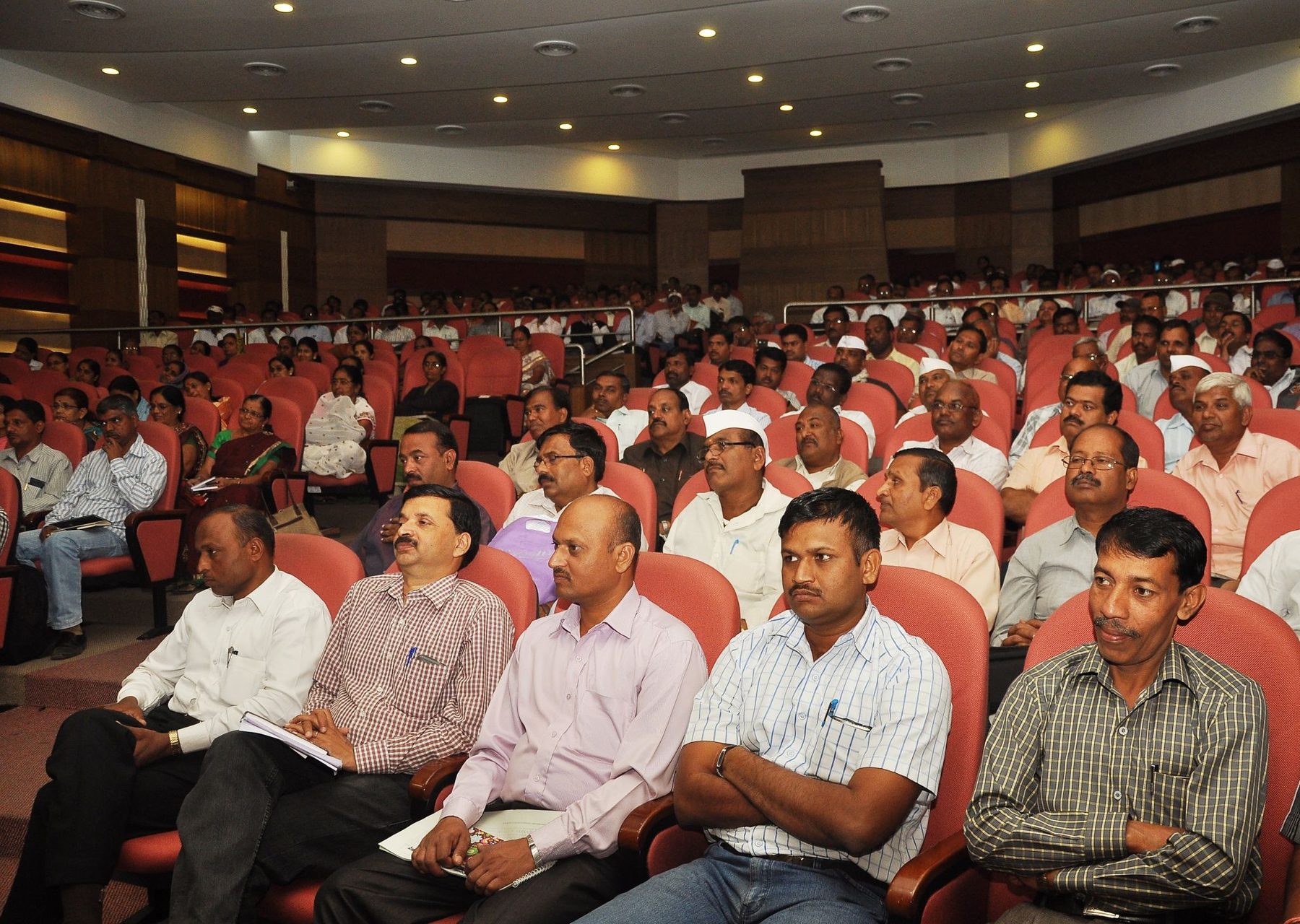
Leadership, Practiced Under Pressure
The leaders who adapt fastest are the ones who practiced change before they needed it.
"Change leadership for managers and executives — communicating vision, managing resistance and driving adoption at scale." — from our Leading Change from the Front programme
Leadership Development Has to Change Too
If leadership itself is being redefined, leadership development can't stay static either. That's why our leadership curriculum blends classic frameworks with change-specific skills — crisis decision-making, de-escalation, and community-centred leadership — rather than treating "leadership" as one fixed, generic skillset.
A Closing Thought
The organisations navigating disruption most successfully right now aren't the ones with the most certain leaders. They're the ones with leaders honest enough to admit what they don't know, and skilled enough to keep moving anyway.