Ask ten institutional leaders to define "digital transformation" and you'll get ten different answers — a new website, a cloud migration, an AI pilot, a paperless office. That confusion is exactly why so many digital transformation initiatives underdeliver: nobody agreed what "done" looks like.
A Working Definition
Digital transformation is the redesign of how an institution creates value, using digital capability as the enabler — not the goal. A cloud migration is a technology project. Digital transformation is what happens when that migration enables an institution to serve students, citizens or customers in a fundamentally better way.
The Three Horizons of Digital Transformation
Horizon 1: Digitising What Exists
Moving paper processes online, replacing manual data entry with systems of record. Necessary, but table stakes — this alone rarely creates competitive advantage or meaningfully better outcomes.
Horizon 2: Redesigning Around Digital Capability
Using data and automation to redesign the process itself — not just its delivery channel. This is where most of the real value sits, and where most institutions stop short because it requires organisational change, not just new software.
Horizon 3: New Capability That Wasn't Possible Before
AI-personalised learning paths for every student, predictive maintenance for infrastructure, real-time citizen service demand forecasting — capabilities that simply didn't exist before digital and AI maturity made them possible.
Why Institutions Get Stuck at Horizon 1
Because Horizon 1 is comfortable — it's a technology purchase with a clear vendor, a defined budget, and minimal organisational disruption. Horizons 2 and 3 require the harder work: redesigning workflows, retraining staff, and changing how success is measured. This is precisely where change management and digital transformation intersect — and where most transformation budgets should be spent, but usually aren't.
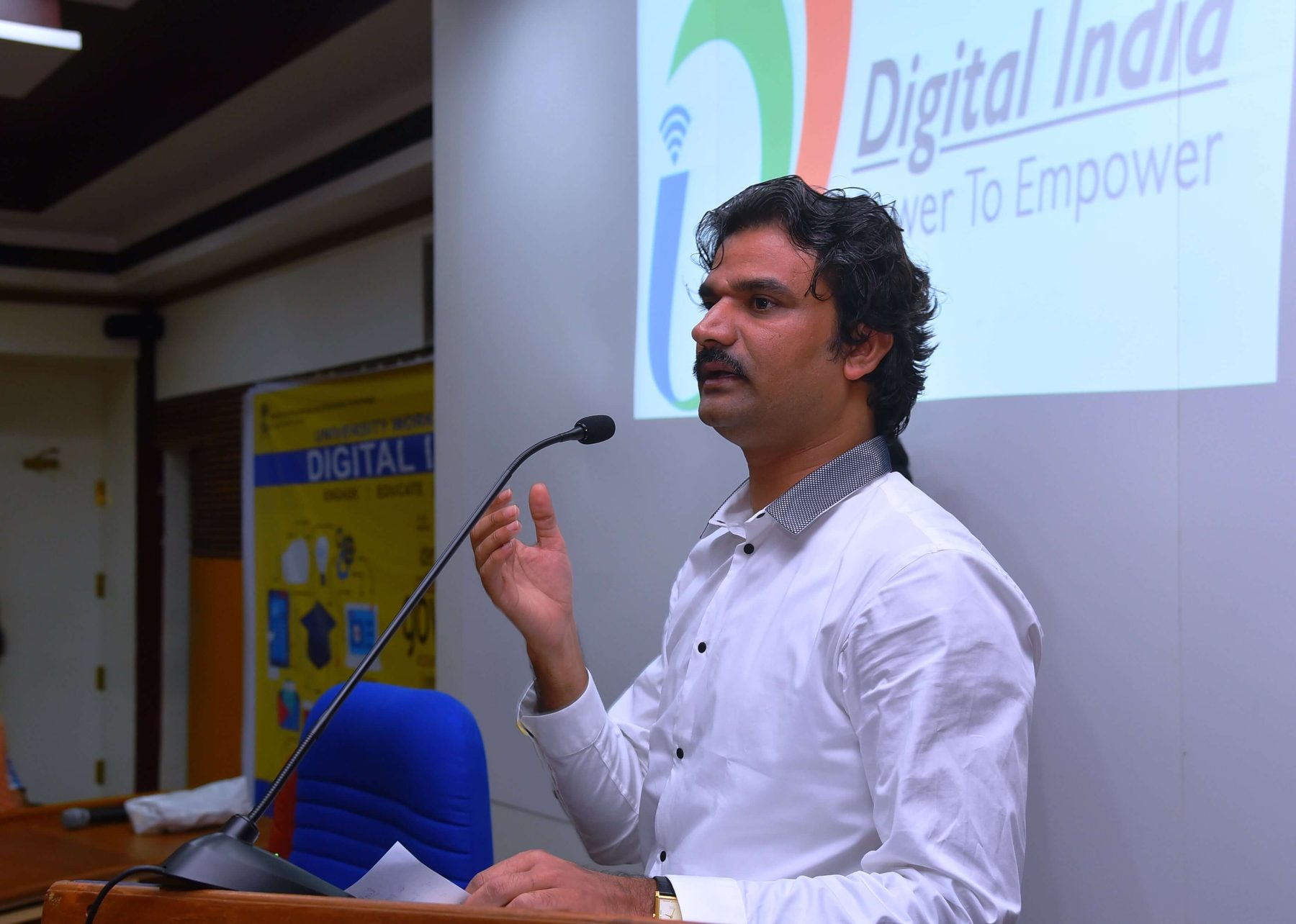
Digital, Delivered on the Ground
Digital transformation succeeds where frontline teams are trained, not just tooled up.
"Proven frameworks for leading large-scale institutional and organisational change — from diagnosis to sustained adoption." — Organisational Change Management, CME
A Practical Test
Before calling any initiative "digital transformation," ask: does this change how we actually serve the people who depend on us, or does it just move an existing process onto a screen? If it's the latter, it's a useful project — just don't call it transformation.
Where Institutions Should Start
Not with a technology audit. With a value audit: where does your institution create the most value for the people it serves, and where is that value currently being lost to friction, delay or inconsistency? Digital transformation should be aimed squarely at closing that gap.