Quantum computing rarely appears on a management agenda — it sounds like physics, not strategy. But the management decisions institutions make today about data security, R&D investment and workforce skilling will quietly determine how exposed or how prepared they are when quantum capability matures.
Why This Matters Now, Not Later
The most immediate risk isn't quantum computers breaking encryption today — current quantum hardware isn't there yet. The risk is "harvest now, decrypt later": adversaries capturing and storing encrypted sensitive data today, with the expectation that future quantum computers will be able to decrypt it. For institutions holding long-lived sensitive data — government records, healthcare data, law-enforcement intelligence — that risk window is already open, even though the decryption capability doesn't yet exist.
What Quantum-Readiness Actually Means for Management
- Data classification — knowing which data assets have a long shelf-life of sensitivity, and therefore need quantum-safe protection sooner.
- Cryptographic inventory — most institutions don't actually know where and how encryption is used across their systems; that inventory is the necessary first step toward quantum-safe migration.
- Workforce readiness — quantum-safe cybersecurity and quantum-sensing are specialised skill areas that most institutions have zero internal capability in today.
Beyond Security: Quantum-AI Applications
Security is the defensive case for quantum-readiness. The offensive case is quantum-AI — the convergence of quantum computing and artificial intelligence that is beginning to show real research promise in fields like drug discovery, materials science, and complex optimisation problems that classical computers struggle with. Institutions building applied research capability now are positioning themselves years ahead of competitors who wait until the technology is mainstream.
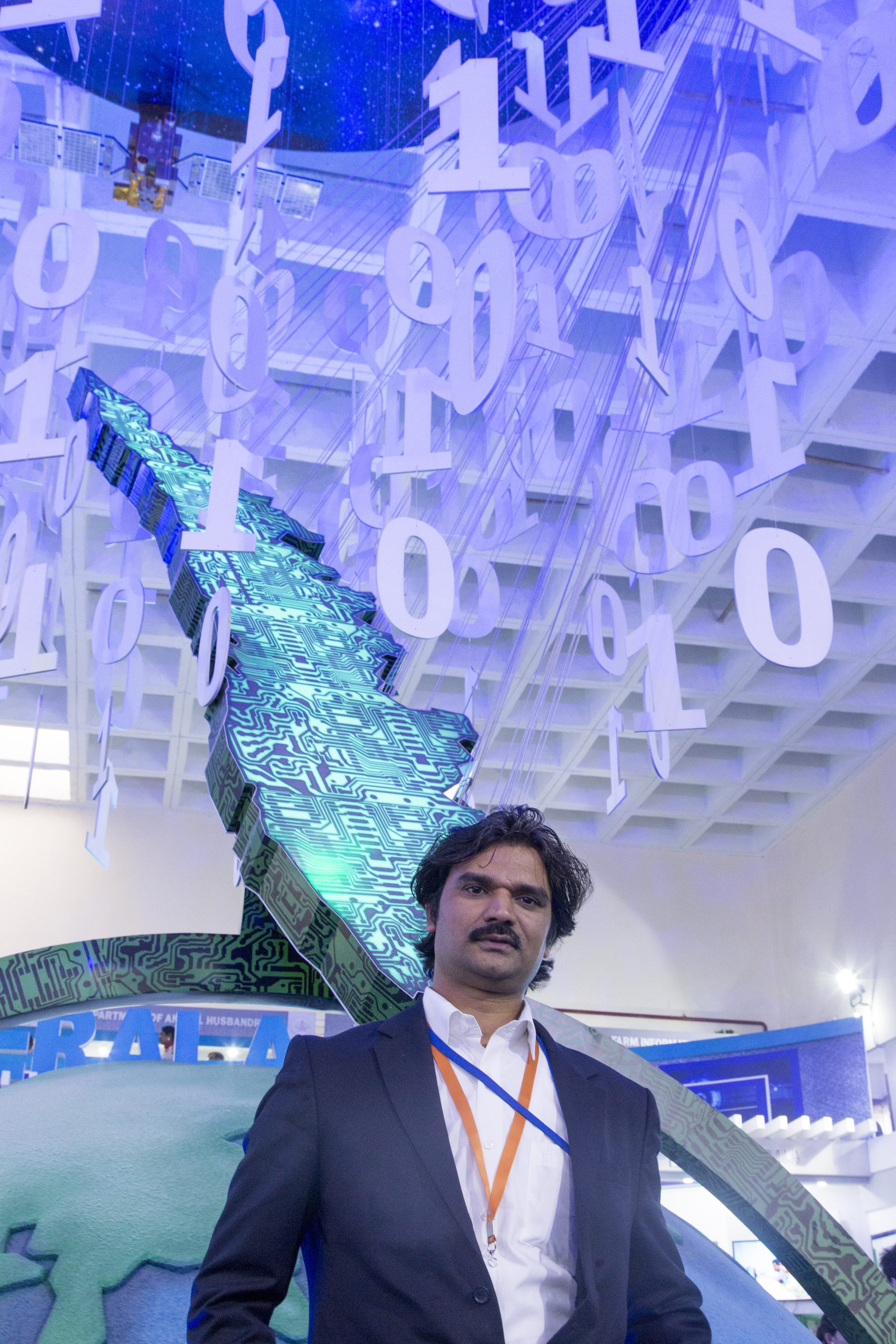
Preparing Leaders for Quantum
Quantum readiness starts with leadership literacy, long before the hardware arrives.
"The Quantum Police Lab prepares officers and IT cadres to recognise this threat early and adopt quantum-resistant practices well ahead of the curve." — Quantum World Ventures research initiative
A Sector Already Taking This Seriously: Law Enforcement
India's police academies are among the first public institutions to build dedicated quantum-safe cybersecurity and quantum-sensing curricula — recognising that law-enforcement data, informant identities and ongoing investigations are exactly the kind of long-lived sensitive data most exposed to harvest-now-decrypt-later risk.
What Institutional Leaders Should Do Today
Not panic, and not ignore it either. Start with a cryptographic inventory, build basic quantum-literacy into technology leadership training, and identify one or two people internally who can own quantum-readiness as it develops — long before it becomes an urgent board-level conversation.